
Beets have earned a place in many healthy eating plans, and there are good reasons to pay attention to them. Their deep red color comes from natural plant compounds called betalains, while the vegetable also provides dietary nitrates, fiber, folate, potassium, manganese, and other nutrients. These components can contribute to several aspects of health, from circulation and digestion to normal energy metabolism.
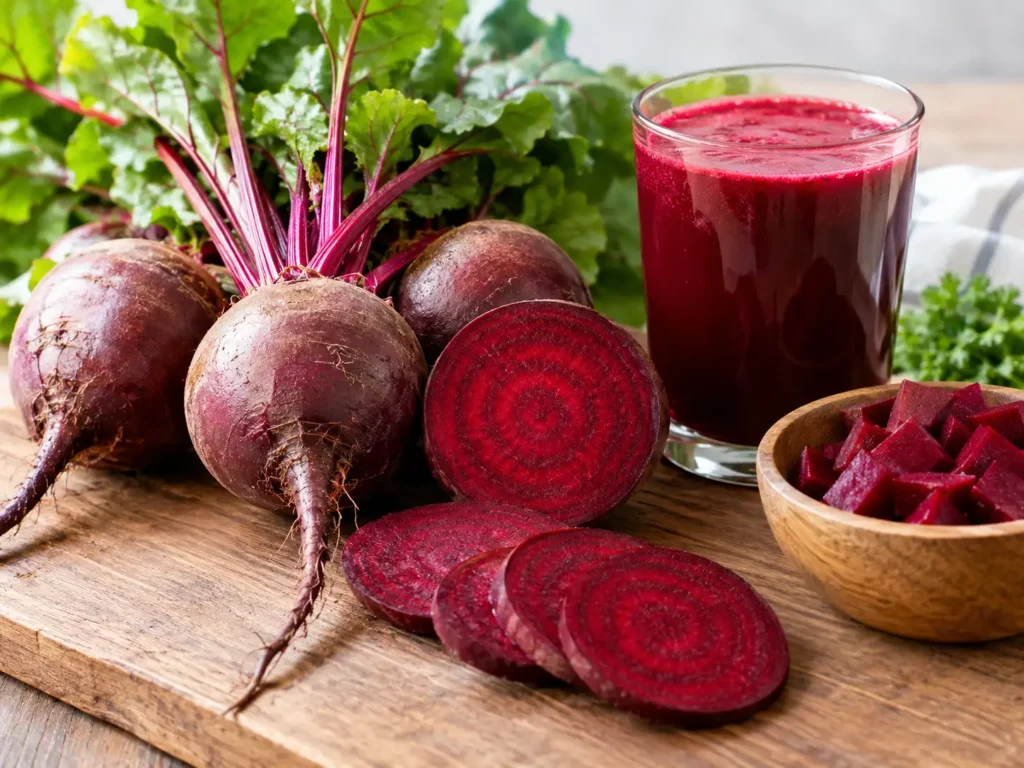
At the same time, beets are not a miracle food. Eating them does not replace a balanced diet or medical treatment, and some of the stronger claims made about beet products go beyond what the available evidence can establish. The more useful question is what beets can realistically contribute when they are included as part of an overall healthy eating pattern.
Here is a closer look at what may happen in your body when you regularly eat beets, along with practical ways to enjoy them and a few considerations worth knowing.
1. Beets May Support Healthy Blood Pressure
One of the most studied features of beets is their naturally occurring nitrate content. After you eat nitrate-rich foods, your body can convert nitrates into nitric oxide. Nitric oxide plays a role in blood vessel function and can help blood vessels relax and widen.
Research involving beetroot juice has found that consuming nitrate-rich beet products can produce a temporary reduction in blood pressure in some people. The effect can vary depending on the individual, the amount consumed, and the form of beet used. This is one reason beet juice has attracted attention in nutrition and exercise research.
However, beets should be viewed as one food that may support cardiovascular health rather than as a treatment for high blood pressure. Anyone taking blood pressure medication or managing a diagnosed condition should continue following their healthcare professional’s advice.
2. They May Help Support Exercise Performance
Beets are also popular among people who exercise because of their nitrate content. Nitric oxide is involved in blood flow and the way the body uses oxygen during physical activity. Some studies have found that consuming beetroot products before exercise may improve exercise efficiency or performance in certain circumstances.
The potential benefit is particularly interesting for endurance-focused activities, although results are not identical for everyone or every type of exercise. Beet juice is often studied because it can provide a concentrated source of nitrates without requiring a large amount of food.
Research commonly examines beetroot consumption several hours before exercise, so people who want to experiment with beets around a workout may choose to include them earlier in the day rather than immediately before exercising.
3. Beets Provide Nutrients That Support Normal Brain Function
Good circulation matters throughout the body, including the brain. Because dietary nitrates can contribute to nitric oxide production and blood vessel function, researchers have investigated whether beetroot consumption may also influence blood flow to the brain.
Some research involving older adults has explored beetroot juice alongside exercise and cognitive tasks. Findings suggest that changes in blood flow and brain activity may be possible, although this does not mean that eating beets will automatically improve memory, concentration, or mental performance.
Beets also contribute folate and other nutrients involved in normal cellular processes. Including them as part of a varied diet can therefore be one small part of an overall approach to supporting long-term health.
4. Their Natural Pigments Provide Antioxidant Compounds
The vivid red-purple color of many beets comes from betalains. These naturally occurring pigments have antioxidant properties and are one reason beets are often studied for their potential relationship with oxidative stress and inflammation.
Oxidative stress is a normal part of biological activity, but the body relies on antioxidant systems to help maintain balance. A diet containing a variety of colorful vegetables provides many different plant compounds, and beets can contribute to that variety.
The way beets are prepared can influence their nutrients and plant compounds. Raw, lightly cooked, or roasted beets can all be nutritious choices. There is no need to rely exclusively on juice or heavily processed beet products to include them in your diet.
5. The Fiber in Beets Can Support Digestion
Whole beets contain dietary fiber, which is useful for normal digestive function. Fiber adds bulk to food and can help support regular bowel movements. It also reaches the large intestine, where certain types of fiber can be used by beneficial gut microorganisms.
This is one important difference between whole beets and beet juice. Juicing can make beets easier to consume in concentrated form, but much of the fiber is removed during the process. For people looking to increase dietary fiber, eating the whole vegetable is generally more useful than relying entirely on juice.
Fiber can also contribute to feelings of fullness and can be part of an eating pattern that supports healthy blood sugar management. As with any single food, the overall quality of the diet matters more than one ingredient by itself.
6. Beets Support the Body’s Normal Processes
Beets are sometimes promoted as a “detox” food, but that description can be misleading. Your liver, kidneys, digestive system, lungs, and other organs already perform the body’s natural waste-processing and elimination functions.
Some compounds found in beets have been investigated for their effects on cellular and liver-related processes, but research in this area does not justify claiming that beets can cleanse the body or remove toxins in a special way.
A more accurate way to think about beets is as a nutrient-rich vegetable that can contribute to a diet supporting normal body function. Regularly eating vegetables, drinking enough fluids, getting adequate sleep, and maintaining other healthy habits are more meaningful than relying on a single “detox” food.
7. They Add Several Useful Nutrients to Your Diet
Beyond nitrates and plant pigments, beets provide a range of vitamins and minerals. The exact nutritional content varies with serving size and preparation, but several nutrients are particularly worth mentioning.
- Folate: Helps support normal cell division and growth.
- Manganese: Plays a role in normal metabolism and other bodily functions.
- Potassium: Helps support normal fluid balance, nerve signaling, and muscle function.
- Iron: Is needed for the production of hemoglobin and normal oxygen transport.
- Fiber: Supports normal digestion and can contribute to fullness.
These nutrients are another reason whole beets can fit comfortably into a balanced eating pattern. They do not need to be treated as a special supplement; they can simply be enjoyed as a vegetable.
Common Claims About Beets: What to Keep in Perspective
The popularity of beets has also produced plenty of exaggerated claims. Keeping expectations realistic makes it easier to understand what this vegetable can actually offer.
Can beets cure cancer?
There is not enough human evidence to say that eating beets cures cancer. Research into individual plant compounds can be interesting, but laboratory findings should not be treated as proof of a treatment effect in people.
Do beets burn body fat?
Beets can be part of a nutritious eating pattern, but there is no reason to consider them a fat-burning food. Whole beets provide fiber and can fit into meals that support appropriate calorie intake, while beet juice is more concentrated and contains less fiber.
Do beets cleanse the kidneys?
Beets can contribute nutrients to a healthy diet, but they do not literally flush toxins from the kidneys. The kidneys already perform their own filtration and waste-removal functions.
Will beets automatically improve your skin?
No single food guarantees better skin. Nutrient-rich vegetables can be part of an overall healthy diet, but skin health is influenced by many factors, including genetics, age, environment, hydration, and general lifestyle.
A Few Things to Know Before Eating More Beets
Red or pink urine and stool: Beets can temporarily change the color of urine or bowel movements. This effect, sometimes called beeturia when it affects urine, can be surprising but is generally harmless when it occurs after eating beets.
Oxalates: Beets contain oxalates. People who have been advised by a healthcare professional to limit dietary oxalates, particularly those with a history of certain kidney stones, may need to pay attention to portion sizes and their overall diet.
Blood pressure: Because beetroot products may affect blood pressure, people with naturally low blood pressure or those taking blood-pressure-lowering medication should discuss significant dietary changes with a healthcare professional.
Concentrated beet products: Juice and concentrated powders can provide more beet compounds in a smaller serving than whole beets. That does not necessarily make them better. Whole vegetables provide fiber and are often easier to incorporate into balanced meals.
Easy Ways to Add Beets to Your Diet
You do not need a complicated routine to enjoy the nutritional benefits of beets. The best preparation method is often the one that makes it easy for you to eat them regularly as part of varied meals.
- Raw: Grate peeled beets into salads for color, texture, and an earthy flavor.
- Roasted: Toss beet pieces with a small amount of olive oil and herbs, then roast until tender and lightly caramelized.
- Juiced: Combine beet juice with ingredients such as apple, lemon, or ginger for a concentrated drink.
- Pickled: Pickled beets can add a tangy flavor to meals, although it is worth checking the sodium content of prepared varieties.
- Soups: Beets can be used in hearty vegetable soups, including traditional beet-based soups.
- Grain and vegetable bowls: Roasted or steamed beets pair well with grains, leafy greens, beans, and other vegetables.
Pairing beets with foods that provide vitamin C, such as lemon or other vitamin-C-rich vegetables and fruits, can be a practical way to build a more varied meal. Vitamin C can also help the body absorb non-heme iron from plant foods.
If you are new to beets, start with a comfortable serving and experiment with different preparations. Their earthy flavor can taste quite different when eaten raw compared with roasted, steamed, or blended into a dish.
The Bottom Line
Beets are a nutritious vegetable with several qualities that make them worth including in a varied diet. Their nitrates have been studied for their relationship with blood vessel function and exercise performance, while their fiber supports digestion and their colorful plant compounds contribute antioxidant activity.
That does not make beets a cure-all. They cannot replace medical treatment, and claims about dramatic detoxification, guaranteed weight loss, or disease treatment should be viewed carefully. The most useful approach is much simpler: enjoy beets alongside other vegetables, fruits, whole grains, protein sources, and healthy fats.
Whether you roast them for dinner, grate them into a salad, or occasionally enjoy them as part of a juice, beets can be an easy and flavorful way to add more variety and nutrients to your meals.
Note: This information is for general informational purposes and is not a substitute for professional medical advice. If you have a medical condition, take medication, or have been advised to follow a specific diet, consult a qualified healthcare professional about what is appropriate for you.