
Why Certain Discontinued Diet Sodas Continue to Hold a Special Place in People’s Hearts
Every year, countless food and beverage products quietly disappear from supermarket shelves, quickly fading from public attention. Yet a select group of discontinued diet sodas has managed to defy that pattern. Instead of being forgotten, these beverages continue to inspire loyal fans, nostalgic conversations, and dedicated online communities years after their production ended. For many people, these drinks represented much more than a simple refreshment—they became lasting reminders of meaningful experiences shared with family, friends, and loved ones.
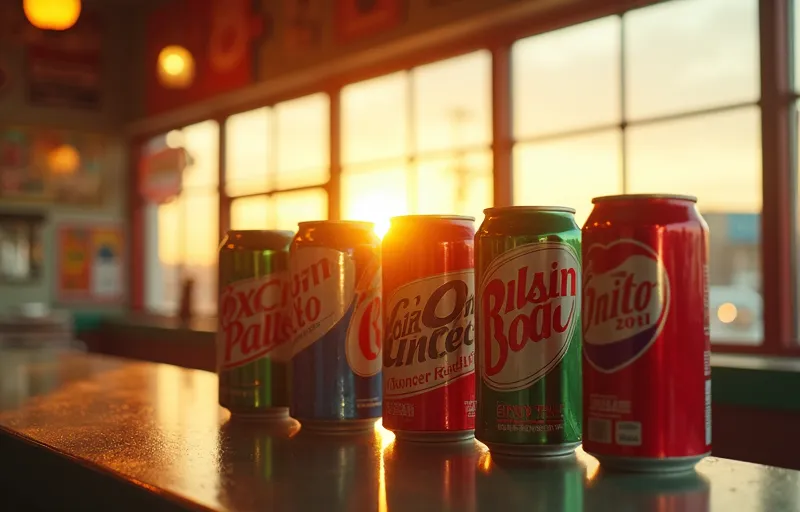
Whether it was sipping a favorite soda during a summer vacation, enjoying one on a long road trip, or having it at family dinners and weekend movie nights, these beverages gradually became intertwined with personal memories. As a result, discussions about discontinued soft drinks often become surprisingly emotional, with people eagerly reminiscing about flavors they wish had never disappeared. Even friendly debates over which classic soda deserves a comeback demonstrate just how deeply these products became embedded in everyday life.
One of the biggest reasons these beverages remain unforgettable is the remarkable connection between our senses and memory. Taste and smell are capable of triggering vivid recollections almost instantly, transporting people back to specific moments from their childhood, school years, holiday celebrations, or memorable vacations. A single familiar flavor can unlock emotions that have remained dormant for years, making discontinued sodas far more significant than ordinary consumer products.
Because of this strong emotional association, many retired diet sodas eventually become cultural symbols rather than simply discontinued beverages. Their distinctive flavors, recognizable packaging, memorable advertising campaigns, and connection to a particular era all contribute to their lasting popularity. Even spotting an old can design or hearing the name of a discontinued brand can create an immediate feeling of comfort and nostalgia.
Despite the affection many consumers continue to have for these drinks, companies eventually decide to discontinue certain products for practical business reasons. Beverage manufacturers must constantly evaluate sales performance, production costs, ingredient sourcing, changing regulations, and available shelf space in retail stores. Even products with devoted fans may no longer generate enough demand to justify continued production.
Changing consumer preferences also play an important role. As health trends evolve and new beverage categories emerge, manufacturers frequently introduce updated recipes or entirely new products designed to appeal to modern audiences. Although these replacements may satisfy newer customers, longtime fans often argue that the original beverages offered a flavor and experience that newer formulas simply cannot reproduce. This belief continues to fuel conversations about which discontinued sodas deserve another opportunity.
Recognizing how valuable nostalgia can be, beverage companies have increasingly incorporated it into their marketing strategies. Fan communities on social media, online forums, vintage advertisements, and collections of classic packaging help keep interest alive long after a product has disappeared. In some cases, this ongoing enthusiasm encourages companies to temporarily revive retired drinks through anniversary editions, seasonal promotions, or limited-time releases requested by loyal consumers.
These brief comebacks allow former fans to revisit cherished memories while giving younger generations the opportunity to experience products they have only heard about. Even if a discontinued soda never returns permanently, the possibility of a future revival often keeps public interest alive and strengthens its legendary reputation among collectors and enthusiasts.
Several common questions frequently arise whenever discontinued diet sodas are discussed. Many people wonder why companies would discontinue products that still appear to have passionate supporters. In reality, business decisions typically involve balancing production costs, long-term profitability, ingredient availability, and changing consumer demand rather than relying solely on customer enthusiasm.
Others ask whether classic sodas actually tasted different from today’s versions. In many instances, they did. Over time, beverage companies often modify recipes by changing sweeteners, ingredients, or manufacturing processes to comply with updated regulations, reduce expenses, or meet evolving nutritional standards. These adjustments can significantly alter a product’s flavor, leading many consumers to believe that the original recipes offered a superior drinking experience.
Questions also arise about whether discontinued drinks can return permanently. While permanent revivals remain relatively uncommon, limited-edition releases continue to demonstrate that companies recognize the commercial value of nostalgia. Whenever these special editions appear, they often receive enthusiastic support from longtime fans eager to relive a small part of their past.
Ultimately, what people miss most is not simply the beverage itself but everything it represents. A discontinued diet soda often serves as a reminder of family traditions, childhood adventures, meaningful conversations, and moments that cannot be recreated. The emotional value attached to these experiences explains why discussions surrounding retired soft drinks continue years after they vanish from store shelves.
Whether these beloved beverages eventually make a permanent comeback or remain treasured memories from another era, their enduring popularity illustrates an important truth. Products may disappear from the marketplace, but the emotions, relationships, and memories connected to them can continue to live on for generations, proving that sometimes the most lasting part of a product is the story it becomes part of.