
Constipation is a common digestive problem, and it is nothing to feel embarrassed about. It can happen during travel, after a change in routine, during stressful periods, or when eating and hydration habits shift. Certain medications, limited physical activity, and repeatedly delaying a bowel movement may also contribute.
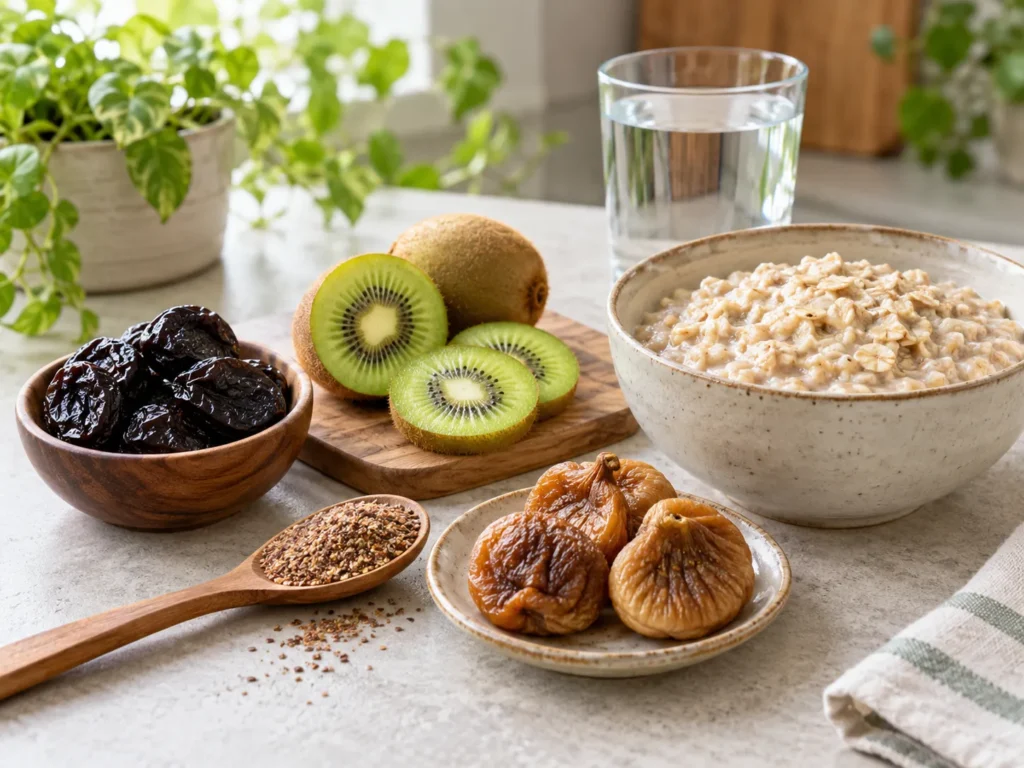
Although fast-acting products are available, mild and occasional constipation may sometimes improve through simple adjustments to food, fluid intake, movement, and daily habits. Foods that contain fiber, water, or naturally occurring compounds such as sorbitol can help support softer stools and more comfortable regularity.
These foods should not be treated as guaranteed remedies or instant solutions. Digestive responses vary from one person to another, and eating a large amount at once may cause gas, bloating, or discomfort. A gradual, consistent approach is usually more comfortable than making an abrupt change.
Understanding What May Cause Constipation
Constipation does not always have a single cause. It may develop when stool moves slowly through the digestive tract or becomes dry and difficult to pass. Common contributing factors can include:
- Eating too little dietary fiber
- Not drinking enough fluids for your individual needs
- Spending long periods without physical activity
- Travel, schedule changes, or disrupted daily routines
- Stress or regularly ignoring the urge to use the bathroom
- Certain medications, health conditions, or life-stage changes
Fiber plays an important role because it can add bulk to stool and help retain moisture. Fluids support that process, while regular movement may encourage normal intestinal activity. These elements tend to work best together. Simply adding a large amount of fiber without enough fluid may make discomfort worse for some people.
1. Prunes
Prunes, also known as dried plums, are among the most familiar foods associated with digestive regularity. They provide both soluble and insoluble fiber. They also contain sorbitol, a naturally occurring sugar alcohol that can draw water into the intestines and may help soften stool.
A gentle way to begin is with three or four prunes. They can be eaten directly or soaked overnight in water to make them softer. If soaked, the fruit can be eaten in the morning along with some of the soaking liquid. Drinking additional water may help the fiber perform its intended function.
Whole prunes generally provide more fiber than strained prune juice. However, prunes can cause gas or loose stools when eaten in large quantities, so it is sensible to begin with a modest portion and observe how your body responds.
2. Kiwifruit
Kiwifruit combines fiber with a relatively high water content, making it a useful addition to a diet intended to support regular bowel movements. It also contains actinidin, an enzyme involved in the digestion of certain proteins. Research has examined kiwifruit for digestive health, but individual results can differ.
One or two kiwis can be eaten on their own, sliced over oatmeal, or added to a fruit bowl. The skin is edible and supplies additional fiber, although its texture does not appeal to everyone. Anyone who wants to eat the skin can wash the fruit thoroughly and start with a small amount.
People with a known kiwi allergy should avoid the fruit. Anyone who notices itching, swelling, or another unexpected reaction after eating it should stop and seek appropriate medical guidance.
3. Ground Flaxseed
Flaxseed contains soluble and insoluble fiber. When combined with liquid, some of its soluble fiber forms a gel-like mixture that may help stool remain softer and easier to pass. Ground flaxseed is generally easier to incorporate into meals than whole seeds, which may pass through the digestive system without being fully broken down.
Start by stirring one tablespoon of ground flaxseed into about eight ounces of water. Let the mixture stand for 10 to 15 minutes before drinking it. Ground flaxseed can also be mixed into oatmeal, yogurt, soup, or a smoothie, provided that sufficient fluid is consumed during the day.
Increasing the amount too quickly may lead to bloating or gas. People with swallowing difficulties, bowel narrowing, significant digestive conditions, or concerns about medication interactions should speak with a healthcare professional before making flaxseed a regular part of their routine.
4. Dried Figs
Dried figs are a concentrated source of dietary fiber and natural sugars. Their fiber may increase stool bulk, while their moisture-absorbing properties can support a softer consistency when they are eaten with adequate fluids.
Two or three dried figs can be soaked overnight in warm water and eaten the following morning. Soaking is not essential, but it softens the fruit and may make it easier to chew. Chopped dried figs also work well in oatmeal or alongside plain yogurt.
Because dried fruit is concentrated, portion size matters. Eating too many figs at once may produce cramps, gas, or diarrhea. People who monitor their carbohydrate or sugar intake should also consider how dried figs fit into their overall eating plan.
5. Oats
Rolled oats and steel-cut oats contain beta-glucan, a type of soluble fiber that absorbs water and forms a thick mixture in the digestive tract. As part of an adequately hydrated diet, this fiber may help create softer, bulkier stools and support normal digestive function.
A warm bowl of oatmeal is an easy way to add oats to breakfast. It can be topped with berries, sliced kiwi, a few chopped prunes, or a small amount of ground flaxseed. Combining several fiber-rich foods is acceptable, but anyone who is not accustomed to eating much fiber may feel better introducing them one at a time.
Plain rolled or steel-cut oats make it easier to control sweetness and portion size. Oatmeal should be prepared with enough water or milk to create a soft texture rather than an unusually dry, dense meal.
Hydration and Movement Matter Too
Fiber needs fluid to work comfortably. There is no single amount of water that is right for every person because needs can vary with body size, activity, climate, diet, pregnancy, medical conditions, and medications. Drinking regularly throughout the day and paying attention to thirst is a practical starting point. Some people may have medically prescribed fluid limits and should continue following their healthcare provider’s instructions.
Gentle physical activity may also support bowel movement. A short walk after a meal, regular stretching, or simply taking more movement breaks during the day can be useful. Establishing an unhurried bathroom routine and responding when the urge occurs may help prevent stool from becoming harder to pass.
Changes should be made gradually. Adding prunes, flaxseed, figs, kiwi, oats, and extra water all on the same day could overwhelm a sensitive digestive system. Begin with one manageable adjustment, allow time to notice the effect, and increase fiber slowly if it is well tolerated.
When Constipation Needs Medical Attention
Occasional constipation may respond to dietary and routine changes, but persistent or severe symptoms deserve professional evaluation. Contact a healthcare provider if constipation does not improve, repeatedly returns, or significantly interferes with daily life.
Prompt medical guidance is especially important when constipation is accompanied by severe or ongoing abdominal pain, blood in the stool, unexplained weight loss, vomiting, fever, a swollen abdomen, or a sudden major change in bowel habits. A new problem that begins after starting a medication should also be discussed with the prescribing clinician rather than managed by stopping the medication without advice.
A Gradual Approach to Digestive Comfort
Prunes, kiwifruit, ground flaxseed, dried figs, and oats can all contribute useful fiber and other properties that may support regularity. Their effects are usually most helpful when they are part of a balanced routine that also includes appropriate hydration, movement, and attention to the body’s natural signals.
Digestive comfort rarely depends on one perfect food. A small serving of prunes, a kiwi at breakfast, or a bowl of oatmeal may be a reasonable place to begin. Consistent habits and gradual adjustments are generally more sustainable than consuming large portions in search of immediate results.
Note: This article provides general information and is not a substitute for professional medical advice, diagnosis, or treatment. Consult a qualified healthcare provider about persistent symptoms, medical conditions, medications, or significant dietary changes.